
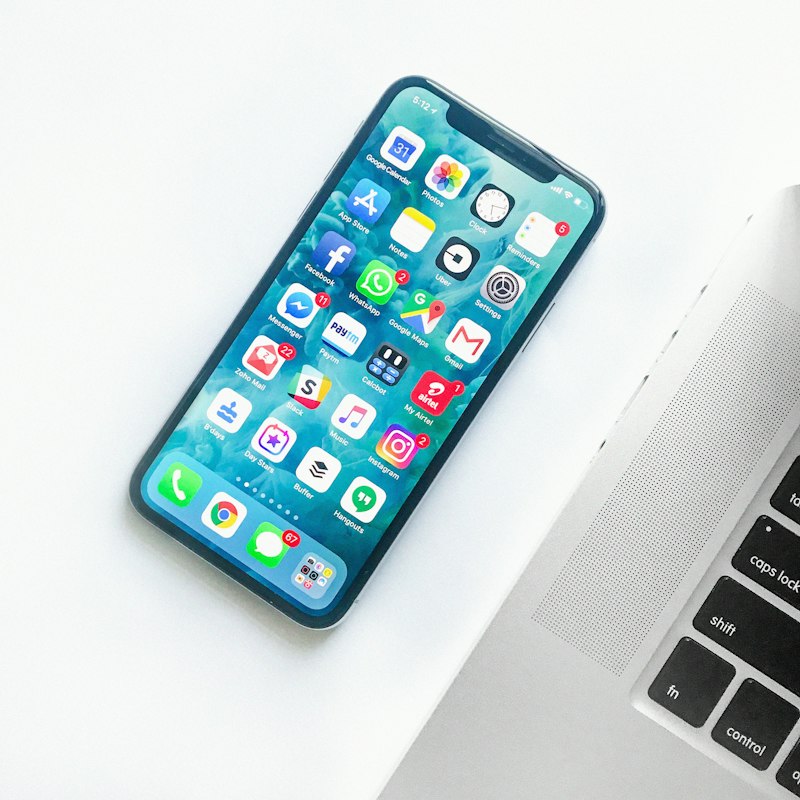
Android vs. iPhone: The Ultimate Guide for Ethiopian Students (On a Budget!)
Hey everyone! My name is Ibex, and I’m a student at one of Addis Ababa’s universities, studying Computer Science. Let me tell you, tech and student life go hand-in-hand, especially in my field. But here in Ethiopia, especially when you're relying on a student's allowance, choosing the *right* tech can be a serious dilemma. For months, I’ve been getting asked by friends – “Ibex, should I get an Android or an iPhone?” It’s a classic question, but one with a really specific answer when you're navigating the realities of being a student *here*. Things like frequent power outages, expensive data, and of course, the Birr to USD exchange rate, all play a role. It’s not just about which phone is “better,” it’s about which one fits our lives and our pockets. So, I’ve put together this guide to hopefully help you make the best choice.
The Breakdown: Android vs. iPhone
Price – The Biggest Factor
Let’s be real. For most of us, price is the deciding factor. iPhones, even older models, tend to be significantly more expensive than comparable Android phones. You’re looking at a minimum of 80,000 Birr for a decent, used iPhone, and that price goes up quickly. Android offers a *huge* range. You can get a perfectly capable phone for under 20,000 Birr – like a Xiaomi Redmi series, a Samsung Galaxy A series, or even a Tecno Spark. These can handle your WhatsApp, Telegram, online classes, and even some basic gaming without issues. Honestly, the difference in upfront cost is immense.
Operating System & User Experience
iPhones run iOS, which is known for its simplicity, smooth performance, and strong security. It's very user-friendly, and updates are consistent and readily available. Android, on the other hand, is more customizable. You’ve got widgets, launchers, the ability to sideload apps – it's a playground for someone like me who loves tinkering. But that customization comes at a cost. Android can sometimes feel fragmented, and updates depend on the manufacturer, which can mean delays or even no updates for older models.
Apps & Ecosystem
Both app stores have millions of apps. You won't be missing out on essential apps on either platform. However, some apps are released on iOS first, or have features exclusive to iOS. Also, if you already own other Apple products (like an iPad or MacBook – a rarity for most Ethiopian students, I know!), the seamless integration might be a major plus. With Android, you’re more open to different app sources, which can be good or bad depending on your security awareness.
Hardware & Durability
iPhones generally have excellent build quality and retain their value well. Android hardware varies a *lot*. Some are incredibly well-built, while others feel cheap. Battery life is also a huge consideration. With Ethiopia’s power situation being what it is, battery life isn’t a luxury, it’s a necessity. Many Android phones now pack large batteries, which can be a real lifesaver. Personally, I’ve found that Android phones generally offer better battery-for-the-price than iPhones.
Specific Things for Ethiopian Students
- Data Usage: Android allows for more control over background data usage. Since data bundles are expensive here, being able to limit what apps are doing in the background is *crucial*.
- Offline Access: Think about apps that work well offline. Google Docs and some note-taking apps are excellent on Android.
- Storage: iPhones can get expensive quickly when you need more storage. Android phones often offer microSD card slots, letting you expand storage affordably.
- Dual SIM: A lot of us use multiple SIM cards to take advantage of different network promotions. Many Android phones support dual SIM, while iPhones traditionally don't (though newer models are changing this).
My Personal Take: Why I Chose Android (And Stayed With It)
I actually switched from a very basic Nokia feature phone to an Android about five years ago when I started university. My first smartphone was a Xiaomi Redmi Note 4, and it cost me around 8,000 Birr. It wasn’t fancy, but it let me access online learning materials, join study groups on Telegram, and connect with family. I considered an iPhone at one point, because a cousin of mine had one and showed it off constantly, but the price tag was just…unrealistic.
The biggest deciding factor for me, beyond price, was the ability to tinker. I’m a coder, and I love being able to experiment with different things on my phone. Trying to do anything remotely "advanced" on an iPhone feels restrictive to me. I’ve also found the openness of Android more useful for sideloading apps – essential for some open-source projects I work on.
And honestly? When I tried paying for my Spotify using Telebirr on a friend’s iPhone, the process was a *nightmare*. A bunch of extra steps, and it almost didn’t work. On my Android, it's a single click. These little things, geared towards our local ecosystem, really add up.
Final Thoughts
Look, both Android and iPhone are great phones. But for a typical Ethiopian student on a budget, Android offers significantly more value. You get a wider range of choices, better customization options, expandable storage, and generally, a much lower upfront cost. Don’t get caught up in the hype. Focus on what *you* need to succeed in your studies, and choose the phone that best fits your budget and lifestyle. Don’t be afraid to explore different Android brands and models. There’s a phone out there for everyone! Good luck, and happy studying!