
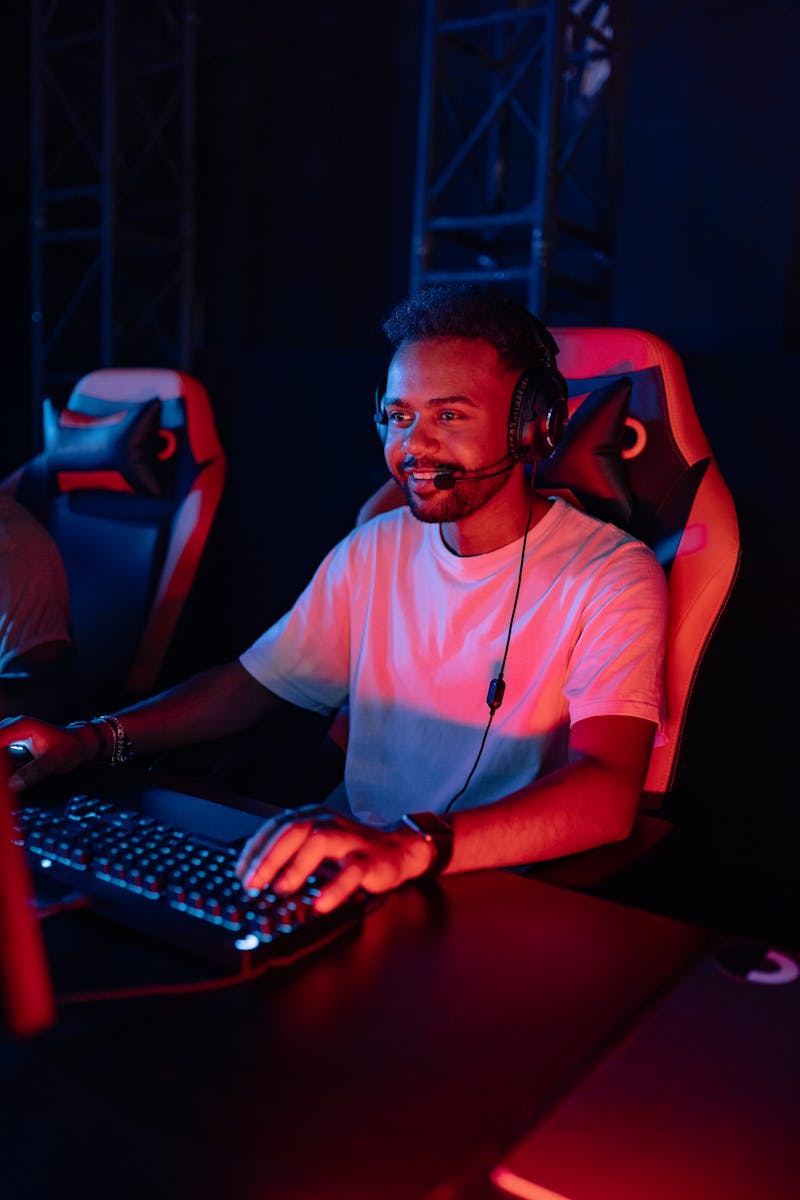
Level Up Your City: A Guide to Organizing a Local Esports Tournament
Hey everyone! IbexStem here, a student at Addis Ababa University, and a huge gaming fan. I’ve always dreamed of a thriving esports scene here in Addis, but it feels like we’re always playing catch-up. I recently helped organize a small *Valorant* tournament on campus, and it was a blast – but also a massive learning experience. So, I figured I’d share a breakdown of how *you* can organize a local esports tournament in your city, geared specifically towards the realities we face in Ethiopia. It’s not easy, but trust me, seeing the community come alive is totally worth it.Phase 1: Planning & Logistics - Keeping it Real
This is where a lot of tournaments fall apart. You need a solid plan. Don’t aim for a huge LAN right away – start small!- Choose Your Game: Obvious, right? But think about what's popular *locally*. *FIFA* and *eFootball* are consistently huge here, along with *Valorant*, *CS:GO*, and *Dota 2*. Consider mobile games too; they have a wider reach.
- Define Your Scope: How many players? Online or offline (LAN)? What’s the prize pool? Keep your budget in mind – realistically.
- Budget Breakdown: This is critical.
- Venue (if LAN): Internet cafes are your friend! They often have the hardware and bandwidth (though bandwidth is always a gamble, as I’ll talk about later).
- Prizes: Cash is king, but gift cards, gaming accessories, or even recognition (a trophy!) can work.
- Marketing: Social media (Facebook, Telegram are HUGE here) and flyers on campus.
- Contingency: ALWAYS have a buffer for unexpected costs. Power outages are a real concern!
- Tournament Format: Single elimination is quick and easy for smaller tournaments. Double elimination or round-robin are fairer but take longer.
- Rules & Regulations: Clear rules are essential. No cheating, fair play, and clear dispute resolution procedures.
- Platform: Consider using tournament platforms like Battlefy, Challengermode, or even Google Forms for registration and bracket management.
Phase 2: Getting the Word Out & Registration
No players = no tournament.- Social Media Blitz: Create engaging content – hype videos, player spotlights, rules explanations. Run ads (even small ones) on Facebook targeting gamers in your city.
- Telegram Groups: Vital in Ethiopia. Find existing gaming groups and advertise there. Create your own tournament-specific group.
- University/College Outreach: If targeting students, put up flyers and announce the tournament during gaming club meetings.
- Registration Process: Make it easy! Collect essential information – name, game ID, contact details, team names (if applicable).
- Payment System: This is where things get interesting. Bank transfers are common, but Telebirr is becoming increasingly popular and convenient. Offering Telebirr as a payment option significantly increases accessibility.
Phase 3: Tournament Execution & Streaming (If Possible)
The main event!- Online Tournaments: Ensure a stable internet connection for admins. Use voice chat (Discord is good) for communication. Enforce rules strictly.
- LAN Tournaments:
- Hardware Check: Verify all computers meet the minimum requirements.
- Network Setup: The biggest challenge. Test the internet connection *thoroughly* beforehand. Prioritize bandwidth for tournament matches.
- Admin Team: Have enough people to manage brackets, resolve disputes, and oversee the event.
- Power Backup: Seriously. A UPS (Uninterruptible Power Supply) can save your tournament from a *kebele* power cut.
- Streaming (Optional): If you have the resources (a decent webcam, microphone, and stable internet), streaming on platforms like YouTube or Facebook Gaming can attract a wider audience.
My Personal Take: The Addis Ababa Reality Check
Okay, let’s be honest. Running a tournament in Addis isn’t like running one in Europe or North America. My first attempt at a *CS:GO* tournament last year was… chaotic. We planned a LAN at an internet cafe, but the internet kept dropping every 20 minutes! It was incredibly frustrating for the players. We ended up switching to online matches, but that created new problems with lag and disconnects. Lesson learned: Assume the internet will be unreliable. Have a backup plan. And be prepared to be flexible. Also, my trusty Lenovo laptop barely handled the streaming software we tried. Invest in decent hardware if you want to broadcast smoothly. I also discovered that a lot of players prefer smaller entry fees, even if the prize pool is lower – accessibility is a big factor when people are managing their data bundles.Conclusion: Let's Build the Scene Together!
Organizing an esports tournament takes effort, but it’s incredibly rewarding. Don't be discouraged by the challenges. Start small, learn from your mistakes, and focus on building a strong community. We have so much talent here in Ethiopia, and I believe we can create a thriving esports scene. So, what are you waiting for? Start planning your tournament today! And feel free to reach out if you need any advice – I’m always happy to help. Let’s level up Addis Ababa, one tournament at a time!
Tags
eSports