
How to Reduce Lag in Online Games in Addis Ababa: Network Optimization
Online gaming is rapidly growing in popularity in Addis Ababa, and across Ethiopia. However, many gamers face frustrating issues with lag, making competitive play and even casual enjoyment difficult. This isn’t typically a problem with the game itself, but rather with the unique challenges of our internet infrastructure. Slow speeds, high ping, and inconsistent connections are common hurdles. This guide will provide a detailed, step-by-step approach to optimizing your network for a better online gaming experience, specifically tailored for the conditions in Addis Ababa. We’ll focus on practical solutions you can implement, understanding that completely eliminating lag may not always be possible, but significant improvement is achievable.
Prerequisites
Before diving into the optimization process, ensure you have the following:
- A stable internet connection: This seems obvious, but confirm you have a working connection.
- A computer or gaming console: The specific steps may vary slightly depending on your device, but the underlying principles remain the same.
- Access to your router’s configuration page: You’ll need the router's IP address, username, and password. This is usually found on a sticker on the router itself or in the router’s manual. Common IP addresses are 192.168.1.1 or 192.168.0.1.
- A basic understanding of networking terms: Terms like “ping,” “bandwidth,” “router,” and “ISP” will be used throughout this guide. If you're unfamiliar, a quick online search can clarify these concepts.
- A ping testing tool: Several free online tools and software options are available to test your ping to game servers. We will mention some later.
Step-by-Step Guide
Here's a breakdown of the steps to reduce lag, organized for clarity:
1. Choose the Right Connection Type (If Possible)
While options are limited, understand the differences:
- Fiber Optic: This is the ideal, offering the lowest latency and highest bandwidth. If available in your area (increasingly so in Addis Ababa), it’s worth the investment.
- ADSL (DSL): A more common option, relying on telephone lines. It's generally more stable than wireless but slower than fiber.
- Wireless (4G/LTE/5G): Convenient, but typically has higher latency and is more susceptible to interference. A dedicated mobile broadband connection for gaming *can* be viable, especially with 5G, but prioritize a stable signal.
If you have a choice, fiber is the best. If not, optimize the connection you *do* have. If you're relying on mobile data, try to find a location with a stronger signal during peak gaming times.
2. Prioritize Gaming Traffic with QoS (Quality of Service)
QoS settings in your router allow you to prioritize certain types of traffic. This means gaming data gets preference over other activities like streaming or downloading.
- Access your router’s configuration page: Open a web browser and enter your router’s IP address.
- Locate the QoS settings: The location varies significantly between router manufacturers. Look for sections labeled "QoS," "Traffic Prioritization," or "Bandwidth Control."
- Enable QoS: Toggle the setting to "On" or "Enabled."
- Add a rule for your gaming device: You’ll likely need to specify the IP address of your computer or console. You can find this in your device's network settings.
- Prioritize gaming traffic: Assign the highest priority to your gaming device or, even better, specifically to the ports used by the game you're playing. (You can find a list of game ports with a quick online search - search “
port numbers”).
Example QoS configuration (this is a general example, your router will differ):
Service Name: [Game Name]
Device IP: 192.168.1.100
Port Range: 5000-6000 (example - adjust for the game)
Priority: High
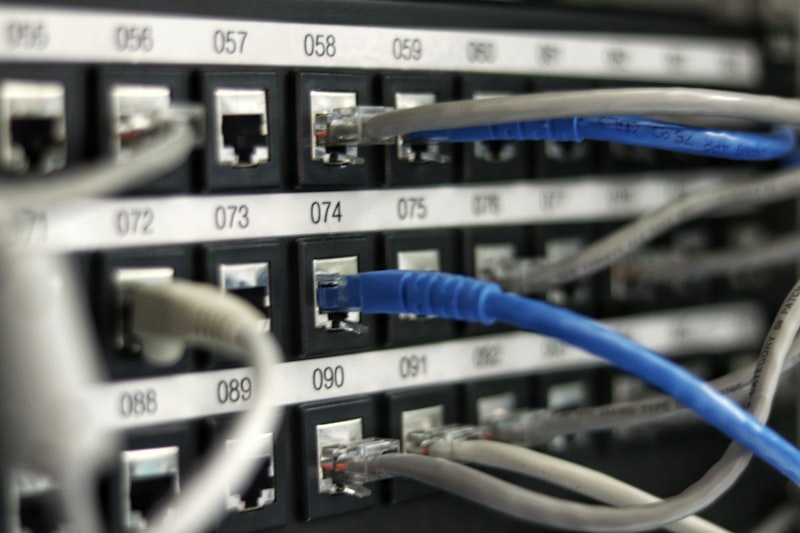
3. Use a Wired Connection (Ethernet)
Wi-Fi is convenient, but it’s inherently less stable and introduces more latency than a wired Ethernet connection.
- Connect your computer or console directly to the router: Use an Ethernet cable.
- Disable Wi-Fi on the gaming device: This ensures it's solely relying on the wired connection.
This single change can often make the most significant difference.
4. Optimize Your Router's Settings
Beyond QoS, other router settings can impact performance:
- Change the Wi-Fi channel: Use a Wi-Fi analyzer app (available for smartphones and computers) to identify the least congested channel in your area.
- Update the router’s firmware: Router manufacturers release firmware updates that often improve performance and security.
- Disable unnecessary features: Turn off features like guest networks, parental controls (if not in use), and UPnP (Universal Plug and Play) if you understand the implications. UPnP can sometimes create security vulnerabilities and doesn’t always improve gaming performance.
5. Test Your Ping and Connection
Regularly monitor your ping to game servers.
- Use a ping testing tool: Popular options include:
- Speedtest.net: Provides ping alongside speed tests.
- PingPlotter: A more advanced tool that visualizes ping fluctuations.
- In-game ping displays: Most online games have an option to display your ping.
- Test to multiple servers: If the game has servers in different regions, test your ping to each one to find the most responsive server. Europe, for example, will always have a higher ping than a server hosted in Ethiopia, if available.
Troubleshooting / Tips
- Close unnecessary applications: Background apps consume bandwidth and processing power.
- Scan for malware: Malware can hog system resources and interfere with your internet connection.
- Restart your modem and router: A simple restart can often resolve temporary network issues.
- Contact your ISP: If you've tried all the above steps and still experience lag, there might be a problem with your ISP's network. Be prepared to provide them with ping test results.
- Consider a VPN (with caution): In some rare cases, a VPN can improve routing and reduce ping. However, it can also *increase* latency if the VPN server is far away or overloaded. Only experiment with reputable VPN providers.
- Be aware of peak hours: Internet speeds often slow down during peak hours (evenings and weekends) due to increased network congestion.
Conclusion
Reducing lag in online games in Addis Ababa requires a proactive approach to network optimization. By following the steps outlined in this guide, you can significantly improve your gaming experience. Remember to be patient, test different configurations, and understand that the quality of your internet connection is ultimately the most important factor. While the challenges presented by our local infrastructure are real, with careful setup and ongoing maintenance, you can enjoy smoother, more responsive online gaming. Good luck, and happy gaming!